

Key Takeaways:
- Any social media activity, not just posts mentioning the accident, can be used as evidence in a personal injury claim.
- Insurers actively search photos, check-ins, and comments for anything that contradicts the severity of your injuries.
- Tightening privacy settings and avoiding new posts are the safest ways to protect your case.
For many people, posting to social media is reflexive. They share good news, bad news, congratulations, happy birthdays — whatever comes to mind. In the normal scheme of things and with adherence to standard safety guidelines, social media can be a healthy way to stay connected, but not always.
Posting on social media after an accident may feel natural and safe, but social media and personal injury claims don’t mix well. What you see as an innocent check-in with family, letting them know you’re safe and ok, an insurer sees as an admission that you have no injuries.
Insurance companies regularly use social media as evidence in personal injury claims. That’s why most attorneys, including those at Segal, Berk, Gaines & Liss, encourage clients to limit or completely avoid social media throughout the claims process.
No Win, No Fee
Even attorneys enjoy the sense of community on social media platforms. The difference is they know where to draw the line between safe posting and posting that undermines a position. For those without legal or courtroom experience, that line isn’t as clear, which is why it pays (literally) to have experienced partners behind your personal injury claim.
Segal, Berk, Gaines & Liss not only helps you build your claim, but because the firm understands how social media works as evidence, it also helps guard against innocent mistakes like a quick “I’m OK” post after an injury.
Working with the firm is low-risk. The firm’s “No Win, No Fee” promise means you get access to its experienced team of partners without any upfront costs. You only pay if you win.
The Risk of Posting on Social Media After an Accident
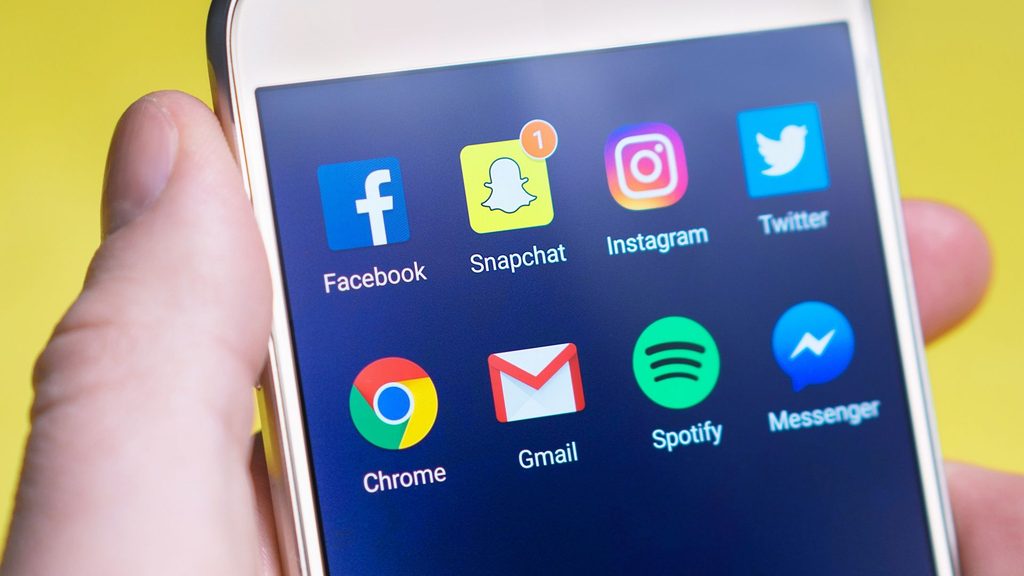
When most people think about social media and personal injury claims, they think about avoiding posts that discuss the claim, accident, or injury explicitly. This is a good benchmark rule for posting, but the better option is to avoid posting entirely.
What too many people don’t realize is that all social media acts as evidence. The friendly check-in, silly comments about how you’re feeling, or even family pictures can all act as proof that your injuries or damages aren’t as severe as your claim suggests.
Photos and Check-Ins
Uploading pictures from a family dinner, a birthday party, or even a backyard BBQ serves as evidence of normal physical mobility to insurance adjusters. They may use geotags from restaurant or store check-ins to “prove” that your injuries are minor or non-existent.
In some cases, by posting an older “throwback” picture, you can muddy the timeline, allowing adjusters to frame the image falsely as evidence of your current physical state. It’s best to avoid posting any pictures, even innocuous ones, and to turn on privacy features, eliminating automatic check-ins and tracking.
Comments About the Accident
Understanding social media as evidence goes beyond your own posts. It also involves comments and messages. Because social media is ingrained in society, it’s normal for family and friends to reach out with well-wishes and words of encouragement.
Their comments are fine to an extent, but your response isn’t. While a response is polite, insurers can use it to undermine your claim. For example, a friend posts something like, “I heard about your accident. How are you doing?” It may seem harmless to respond, “I’m doing alright, just hanging in there.” But even that’s a risk.
Posting this benign comment on social media after an accident can have a real impact on your claim. An insurance adjuster can legally leverage this comment as an admission of minimal suffering, making the argument that the claim isn’t valued correctly.
Activity That Contradicts Injury Claims
Social media and personal injury claims have a direct and adverse relationship. Once you see the connection, it’s hard to see social media as anything other than evidence. Posting comments, pictures, or updates, whether out of politeness or self-motivation, can undermine your claim. Even the slightest contradiction to your claim, such as telling a loved one “I’m OK,” can have dire financial consequences on settlement negotiations and outcomes.
Insurance companies and their adjusters aren’t your friends. They have one mandate: limit liability and pay as little as possible. Social media provides a treasure trove of research that makes minimizing offers easier.

Best Practices for Posting on Social Media After an Accident
It’s best to avoid social media altogether after an accident, especially when pursuing a personal injury claim. That said, if you find the posting itch too enticing to not scratch, follow some basic practices to limit your exposure.
Privacy Settings
To avoid having your social media used as evidence, switch all your active accounts (Facebook, Instagram, LinkedIn, etc.) to the strictest private modes available. This can prevent insurers from directly accessing your content, but they can still view the public profiles and posts of mutual connections. So it’s still necessary to watch what you post, just in case friends share your content on a public profile.
Also, with how detrimental the relationship is between social media and personal injury claims, know that insurers will use tricks to access your private accounts. So be on the lookout for incoming friend requests, follow requests, or direct messages from unfamiliar accounts. While you’re pursuing a personal injury claim, it’s best to reject these requests and adopt a strict no-strangers policy.
Discussion of the Accident or Case
Posting on social media after an accident should never include discussions about the incident, your physical health, your medical treatment, or your legal representation. This includes comments made in direct messages, private group chats, and forum threads; these are all discoverable under subpoena.
While you should avoid these discussions, never delete existing posts that contain such details. In fact, don’t delete any posts without explicit guidance from your lawyer. Scrubbing your profile after an accident is equivalent to destroying evidence.
Tags From Friends and Family
Because social media can be used as evidence, it’s best to have a pre-emptive talk with your inner social circle following an accident. Ask them to refrain from posting photos of you, tagging you, or discussing your recovery. Beyond that, you should enable timeline review features so no external photos or check-ins appear on your profile without your manual approval.
The Support You Need After an Accident
Even with precautions, social media can serve as evidence for insurers to limit their liability and weaken your claim. Segal, Berk, Gaines & Liss helps protect your social media and personal injury claims by encouraging caution on social platforms and building a defensible, evidence-based case. Reach out today for a free consultation. Remember, it costs you nothing unless you win.
About Derek Liss, Esq.

Derek Liss, Esq., is a partner at Segal, Berk, Gaines & Liss, specializing in personal injury law.
Derek earned his Bachelor of Arts in Political Science from The George Washington University in 1991 and his Juris Doctor from Widener School of Law in 1994. He joined Segal, Berk, Gaines & Liss immediately after law school and brings 30 years of legal experience to his clients.
A member of the Philadelphia Bar Association, he practices throughout the greater Philadelphia region and is admitted to practice in the courts of Pennsylvania and the U.S. District Court for the Eastern District of Pennsylvania.
