

Key Takeaways:
- Grocery stores have a legal duty to identify and address hazards like wet floors, debris, improperly stacked items, and maintenance issues before they cause injury.
- Proving a slip-and-fall claim comes down to showing the store had actual or constructive notice of the hazard that caused your fall.
- Segal, Berk, Gaines & Liss operates on a “No Win, No Fee” basis, so pursuing your slip-and-fall claim costs nothing upfront.
It was supposed to be a quick trip to the grocery store. Your mind was on your shopping list, and you didn’t see that the produce misters had once again coated the floor. Before you knew it, you slipped.
The shock was one thing, but as a small crowd surrounded you, the embarrassment built. You scrambled to your feet before assessing how you felt, whether you were hurt. You just wanted to go home. Only later, when the pain started to pulsate down your spine, did you think of recovery, costs, and potential liability.
A slip and fall at a grocery store in Philadelphia is more than a physical and emotional shock; it’s a legitimate accident that can leave victims with real injuries and genuine financial hardships. Understanding these personal injury claims, from proving liability to negotiating grocery store slip-and-fall settlements, is key to knowing when to take legal steps and pursue fair compensation.
No Win, No Fee
Segal, Berk, Gaines & Liss can help you sue a store for a slip and fall. The firm takes on the investigative and administrative tasks of collecting and preserving the evidence (surveillance footage, maintenance logs, witness statements, sweep logs, etc.). It ensures you don’t miss critical filing deadlines, and helps you construct the medical timeline, which is especially important if you leave the scene without filing an incident report.
You don’t have to navigate a claim for a slip and fall at a grocery store alone. Segal, Berk, Gaines & Liss adheres to a “No Win, No Fee” policy. This means its team of attorneys and investigators will fight for you with no upfront costs. The firm only gets paid when you get paid.
Identifying Common Causes of Grocery Store Slip and Falls

From liquid spills to debris and structural issues, grocery store hazards tend to fall into a few recurring slip-and-fall categories.
Wet Floors and Spills
In some cases, over-pressurized produce misters cause dampness in front of vegetable coolers. In others, a leaking refrigerator or freezer unit creates a puddle. Even dropped milk jugs or leaking laundry detergent can create wet floor hazards. But a slip and fall at a grocery store doesn’t require a liquid.
Debris and Obstacles
Debris can just as easily cause an injury. Loose grapes and berries can get underfoot, discarded packing becomes a tripping hazard, and even crushed leaves can create slick spots in entryways or aisles.
Improperly Stacked Merchandise
Improperly stacked items can also create dangerous conditions in grocery store aisles. Things that fall from shelves may strike and injure a customer directly, while fallen merchandise can become an unexpected obstruction that causes someone to trip and fall.
In either situation, store employees may have a responsibility to properly stack merchandise and address hazards before a customer is injured.
Structural and Maintenance Issues
Beyond intermittent obstacles, structural and maintenance issues are among the leading causes of grocery store slip-and-fall settlements. Covering everything from poor lighting to damaged flooring or turned-up floor mats to missing caution signs in a freshly mopped area, store owners bear responsibility for upkeep and have a legal duty of care to consumers.
Despite this responsibility, knowing you were a victim of negligence and proving it are two different things. When preparing to argue a claim for a slip and fall at a grocery store in Philadelphia, evidence gathering starts immediately after the incident.
Collecting the Evidence for Your Claim
The desire to leave the scene of a slip and fall is understandable. Many people feel embarrassed; others just want to get home where they can assess their injury without prying eyes. Still, immediately after a fall is the best time to gather evidence.
If you have the wherewithal to stay and take pictures of the hazard that caused your fall, to speak to witnesses, and to file an incident report, it will go a long way toward supporting your future claim. That said, proving a slip and fall at a grocery store is still possible without this support.
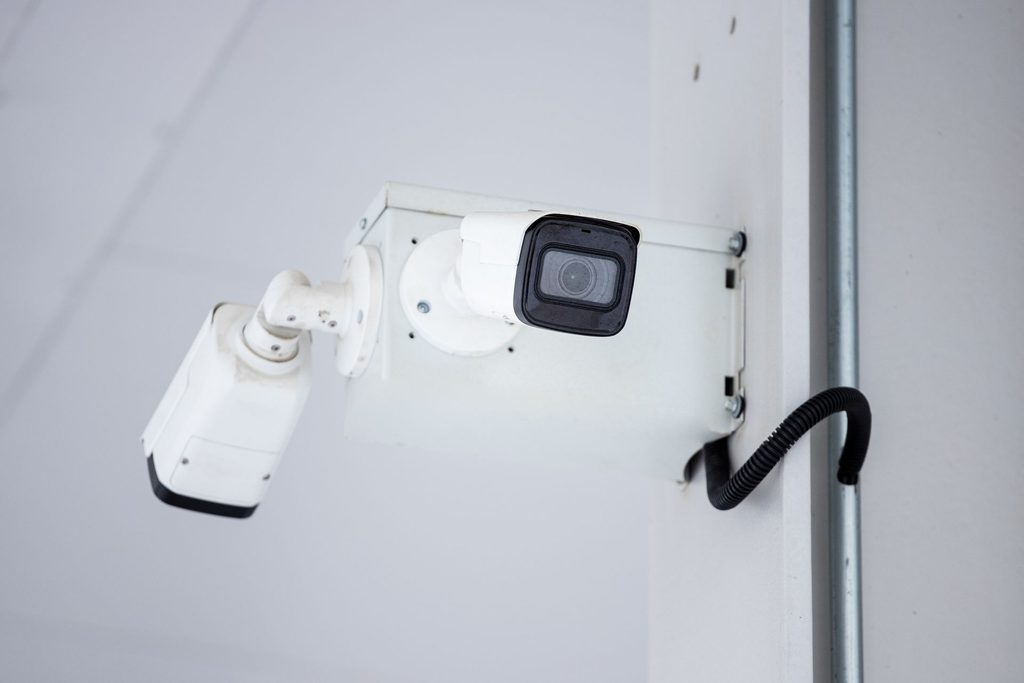
So what happens if you slip and fall in a grocery store and leave without filing an incident report? Your legal team sends a spoliation letter to preserve security camera footage, internal shift logs, and sweep sheets. This secures sensitive evidence for grocery store slip-and-fall settlements.
Your legal team then subpoenas these records and begins tracing the medical timeline from the incident to your first doctor appointment and through rehabilitation, surgery (if necessary), and recovery. Still, even with surveillance and medical records, you and your team need to demonstrate the slip and fall at the grocery store was a result of negligence.
Proving Negligence in a Grocery Store Case
To win your claim, you and your legal team must establish the four core pillars of Pennsylvania premises liability claims:
- Duty of Care: As a customer, you are a legal invitee. This means store owners owe you a level of protection and have a strict obligation to routinely inspect the property and keep it safe.
- Breach: Your claim must demonstrate that the store breached its duty by failing to repair, clean, or warn customers of a known safety hazard.
- Causation: Demonstrate that the specific hazard caused the slip and fall, not a pre-existing medical issue or outside factor.
- Damages: A claim for a slip and fall at a grocery store must also show how you suffered real, quantifiable losses as a result of the injury. These can include medical bills, lost wages, and pain and suffering.
Proving the Store Knew (Or Should Have Known)
In grocery store slip-and-fall settlements, the most contested issue is showing the store had actual or constructive notice of the hazard that caused your fall.
Actual notice means the owner had direct knowledge of the hazard before your slip and fall at the grocery store. This information could’ve come from a customer, an employee, or maintenance or shift records.
Constructive notice means the store should have known through reasonable care. If grapes sat in an aisle for over an hour, it’s fair to say an employee should have seen and cleaned them up. Regular maintenance sweeps should catch anomalies like spilled milk, dropped produce, or over-spraying misters.
Getting Help After a Grocery Store Injury
Proving a store knew about a hazard, or should have, isn’t something you have to figure out alone. Segal, Berk, Gaines & Liss handles the investigation, evidence gathering, and negotiations for your slip and fall at the grocery store so you can focus on getting better instead of building a case. Reach out today for a free consultation, and remember: you don’t pay unless you get paid.
About Derek Liss, Esq.

Derek Liss, Esq., is a partner at Segal, Berk, Gaines & Liss, specializing in personal injury law.
Derek earned his Bachelor of Arts in Political Science from The George Washington University in 1991 and his Juris Doctor from Widener School of Law in 1994. He joined Segal, Berk, Gaines & Liss immediately after law school and brings 30 years of legal experience to his clients.
A member of the Philadelphia Bar Association, he practices throughout the greater Philadelphia region and is admitted to practice in the courts of Pennsylvania and the U.S. District Court for the Eastern District of Pennsylvania.
